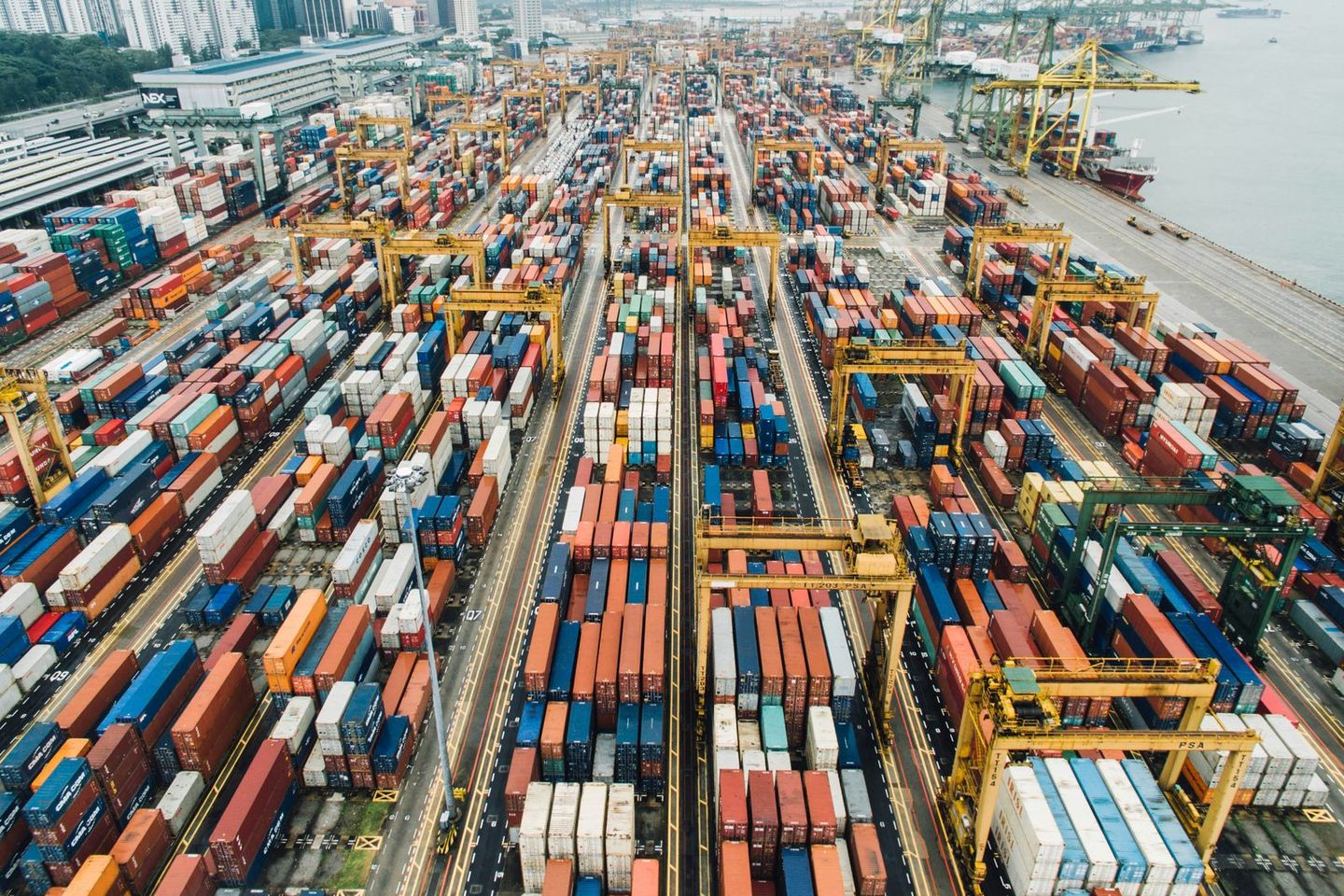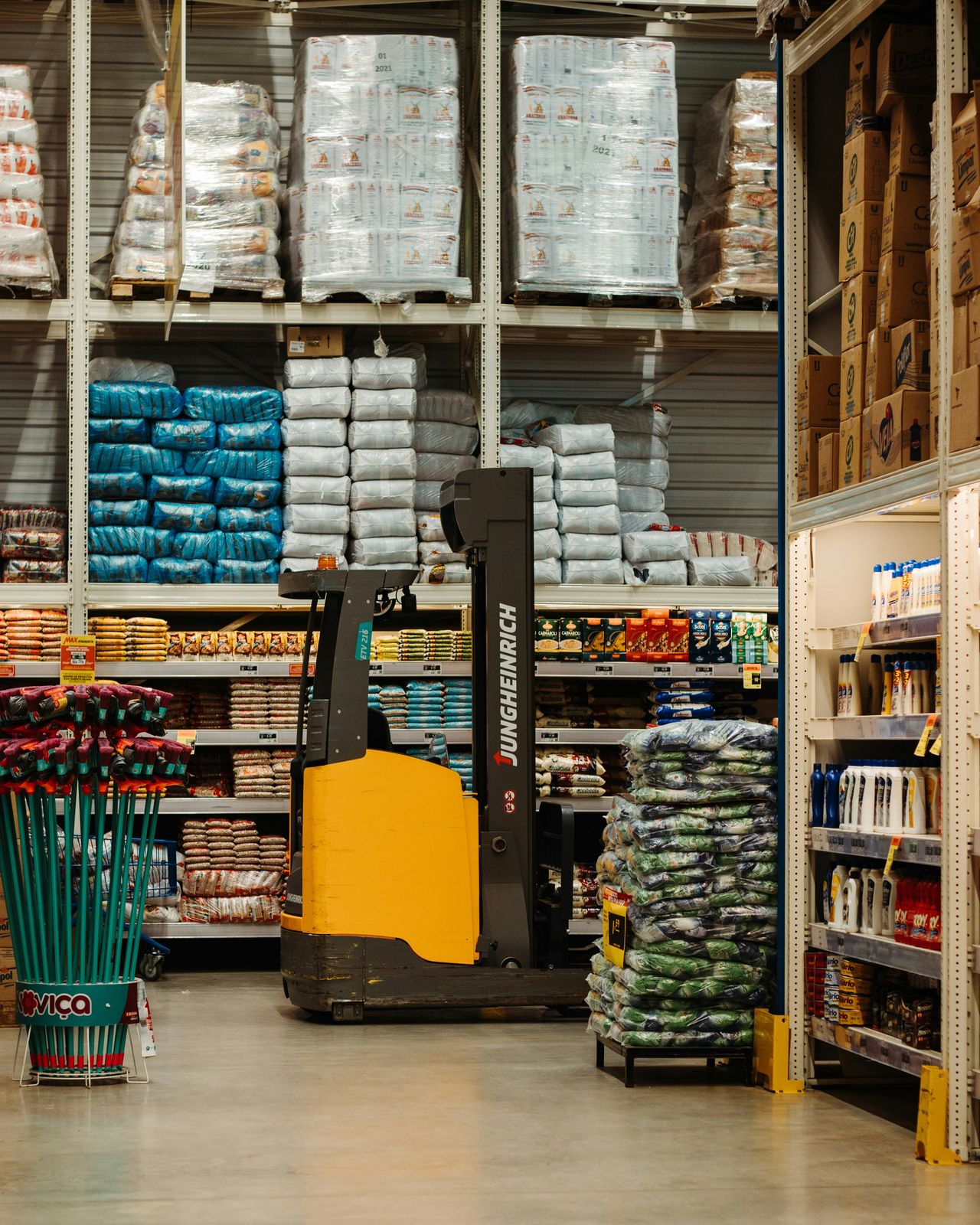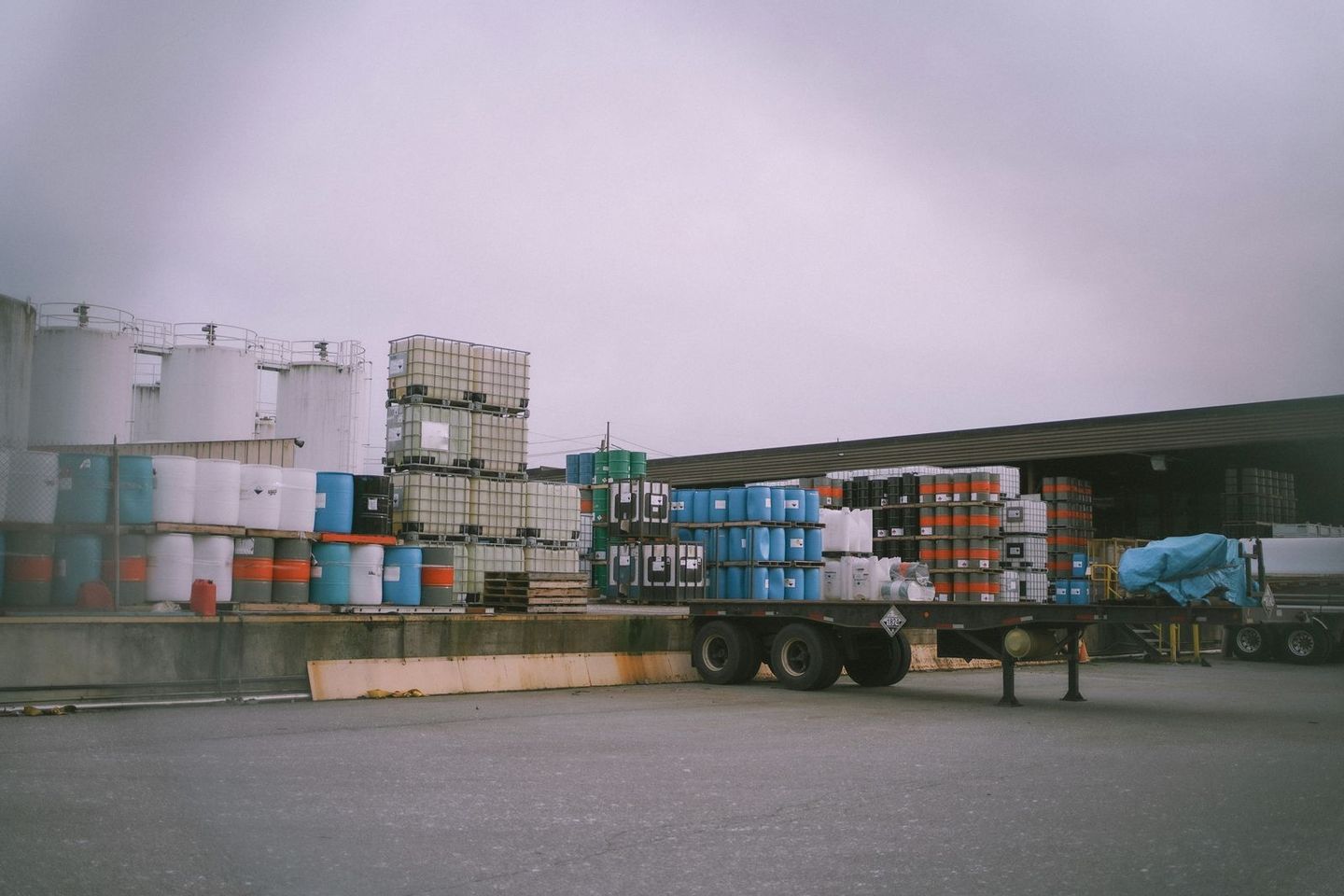
"We hold local stock" describes a warehouse, not a commercial arrangement. The question that matters is who owns the material, when title and risk pass, and who carries the consequence if consumption turns out lower than forecast. There are four common answers.
In this piece
Ex-works: you own it from the gate
The simplest and cheapest per tonne. You buy a full load, take title at the producer's gate and carry everything from there: freight, transport risk, customs and import responsibilities, storage, and the inventory on your balance sheet until it is consumed.
It is the right structure for high-volume, stable grades where a full load is a sensible quantity. It is the wrong structure for anything you consume slowly, because eleven months of stock is not a saving.
Call-off: ordered once, released in tranches
You commit to a total quantity at an agreed price, and draw it in tranches over a period. The supplier plans production and freight around the commitment; you get price certainty and smaller deliveries without renegotiating each time.
Working capital stays largely with the supplier until each release. The trade-off is the commitment itself: an unconsumed balance at the end of the period is usually your problem, so the total needs to be set from a realistic forecast rather than an optimistic one.
Consignment: their stock, your site
Material physically sits at your plant but remains the supplier's property until you draw it. You get zero-lead-time availability with no inventory on your books; they get a position that is difficult to displace.
What makes it work or fail is the detail:
- When does title pass — on physical draw-down, or on a periodic reconciliation?
- Who insures it while it is on your site, and who carries the loss if it is damaged or contaminated there?
- What is the reconciliation cycle, and what happens to discrepancies?
- What is the exit — if you stop using the grade, who takes the residual stock and at what price?
Consignment without a written exit clause is where the arguments happen.
VMI: they own it and plan it
Vendor-managed inventory goes a step further: the supplier owns the stock and is also responsible for keeping it within agreed minimum and maximum levels, using your consumption data. You stop placing orders for that grade.
It transfers the most working capital and planning effort of the four models, and it demands the most trust and the most data discipline. It suits stable, continuous consumption of a grade you will use for years — not a portfolio of development materials.
Choosing per grade
The mistake is choosing one model as company policy. A workable allocation:
- Top two or three volumes, stable, dual-sourced, EU-produced → ex-works, direct.
- Significant volume, price-sensitive, predictable → call-off contract.
- Production-critical, cannot wait, moderate volume → consignment or supplier-held local stock.
- Continuous, mature, high-trust relationship → VMI.
- Development, long tail, imported, single-sourced → ex local stock from a distributor, in repacked units.
Then write down the switch point. A grade that graduates from development to volume should move models deliberately, rather than staying on an expensive route for a decade because that is how it started.
How to price availability
To compare models honestly you need three numbers most organisations do not have to hand: your cost of capital, the cost of an hour of unplanned downtime on the affected line, and your realistic forecast error on the grade.
With those, availability stops being a matter of preference. The premium you should be willing to pay for supplier-held stock is bounded by the working capital it saves plus the expected cost of the stock-outs it prevents. Below that number, pay it. Above it, hold the stock yourself and accept the risk knowingly.
Either answer is defensible. What is not defensible is choosing between them on price per tonne alone.